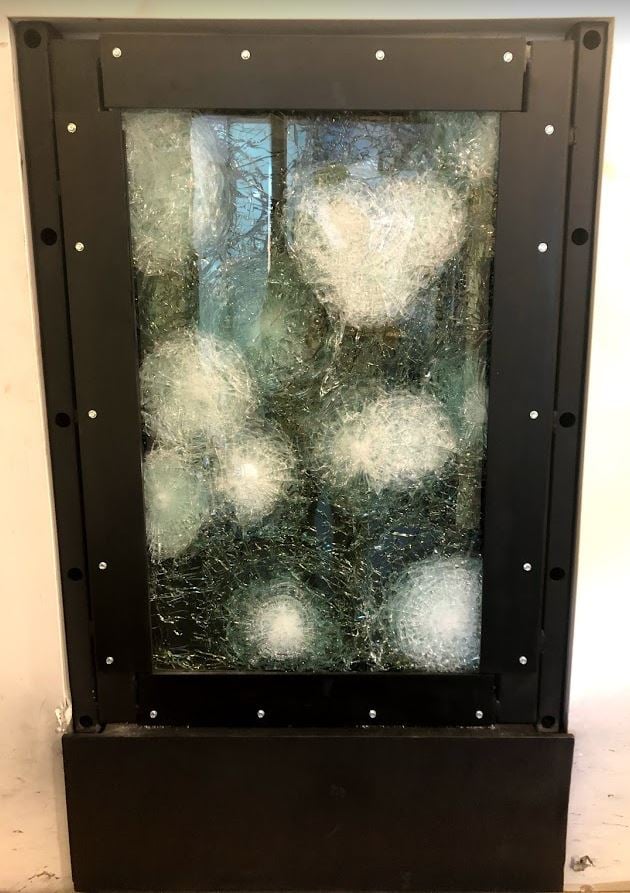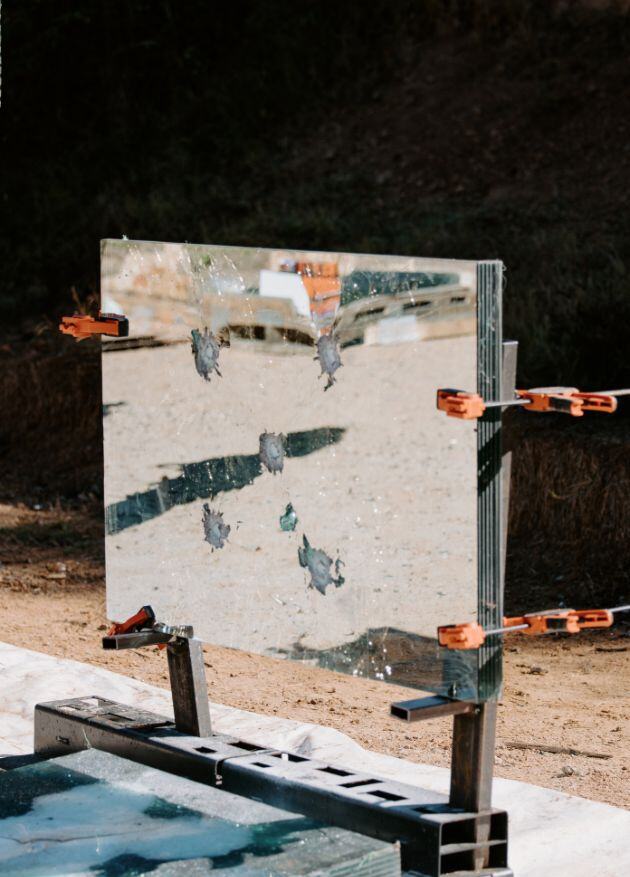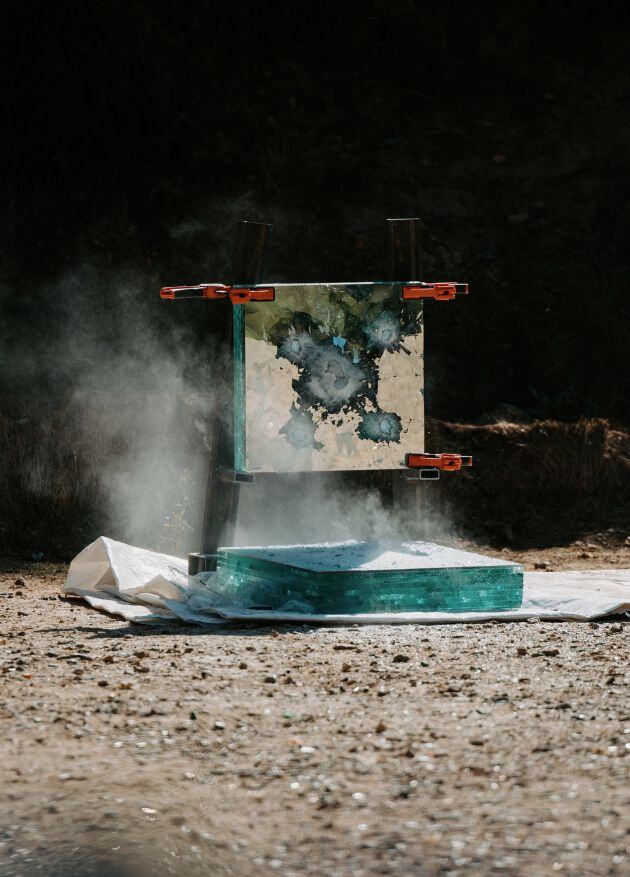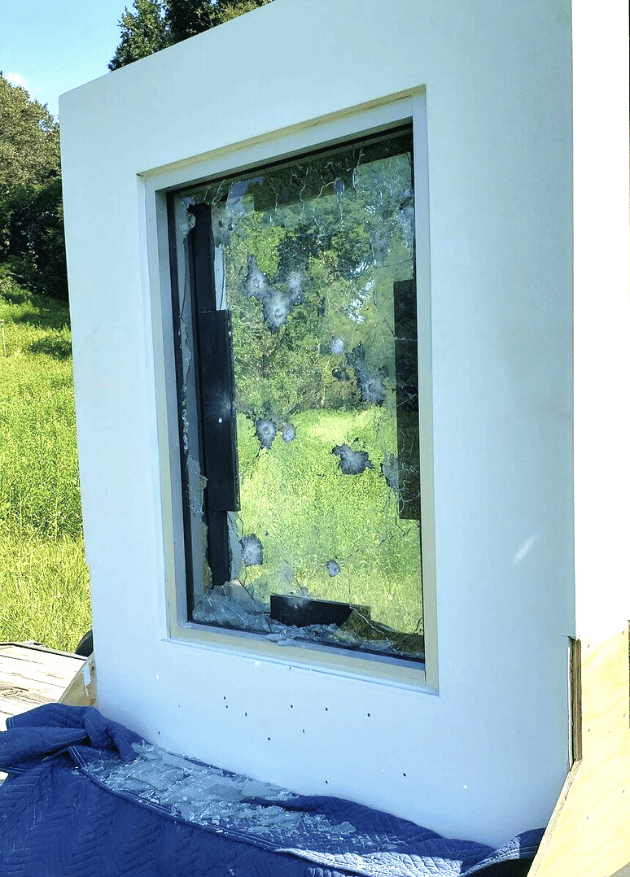

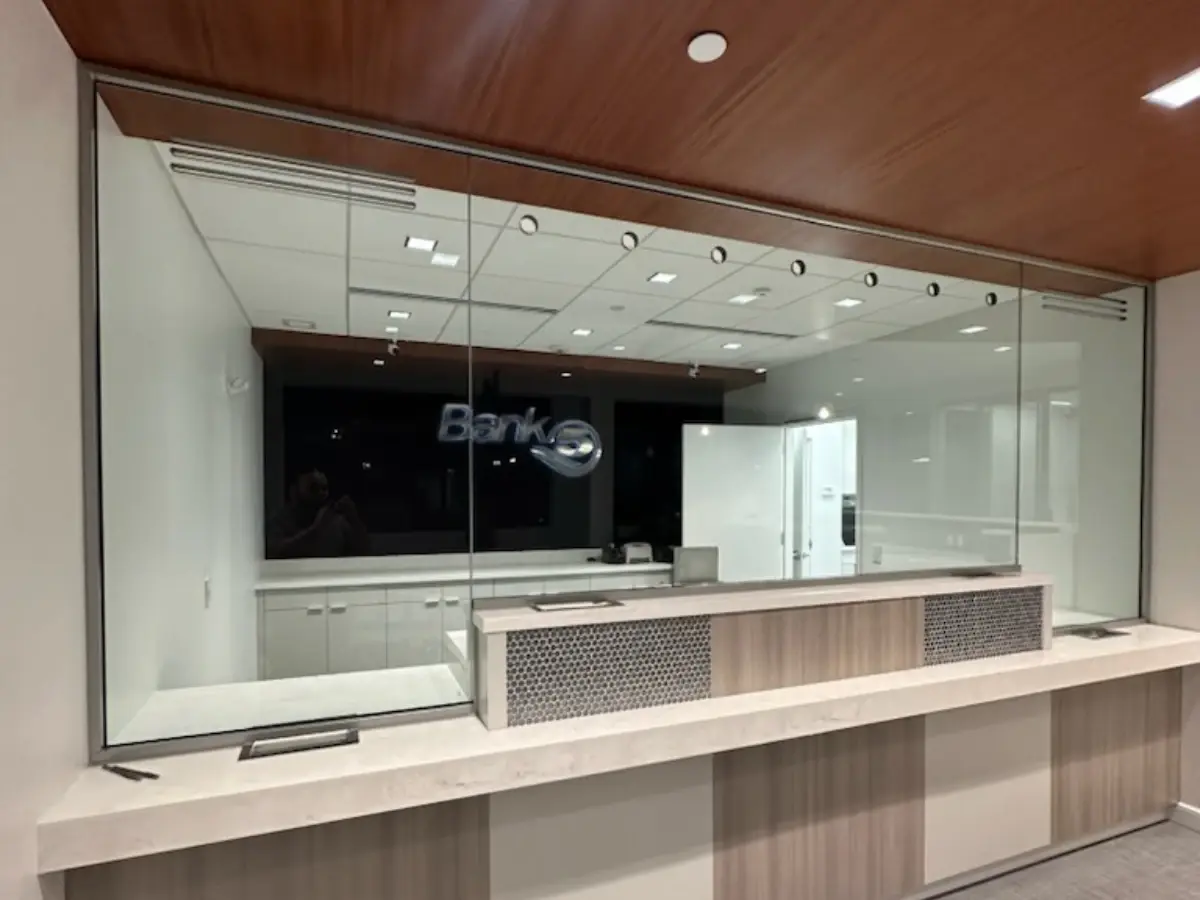
Kontek specializes in creating and providing ballistic glass window systems that adhere to UL 752 and NIJ standards, capable of withstanding threats up to .50 caliber armor-piercing rounds. Our engineering team customizes each solution to match the exact dimensions and security specifications of your facility.
Whether you're integrating bulletproof glass into new constructions or enhancing current installations, Kontek offers expert consultation and assistance at every step.
Contact us to get pricing for our ballistic glass or call us directly at (704) 273-5040 to speak with an expert today


Custom Fabrication
Each assembly is fabricated to match your opening dimensions, framing system, and required protection level.
Engineering Support
Our team provides consultation, level selection guidance, and technical support through installation.
Retrofit Solutions
Upgrade current glazing systems to meet required threat levels without full structural replacement.

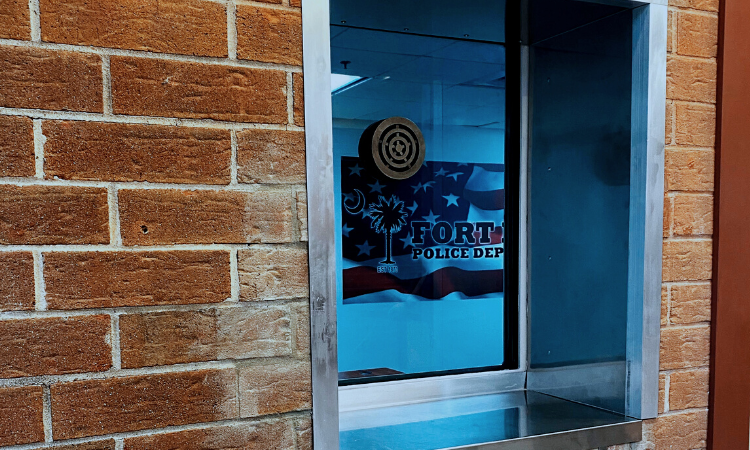
Ballistic glazing strengthens the most vulnerable openings in both public and private facilities. Whether protecting personnel, controlling access, or securing high-value assets, the right system must perform without compromising visibility or operations.
Common Applications Include:
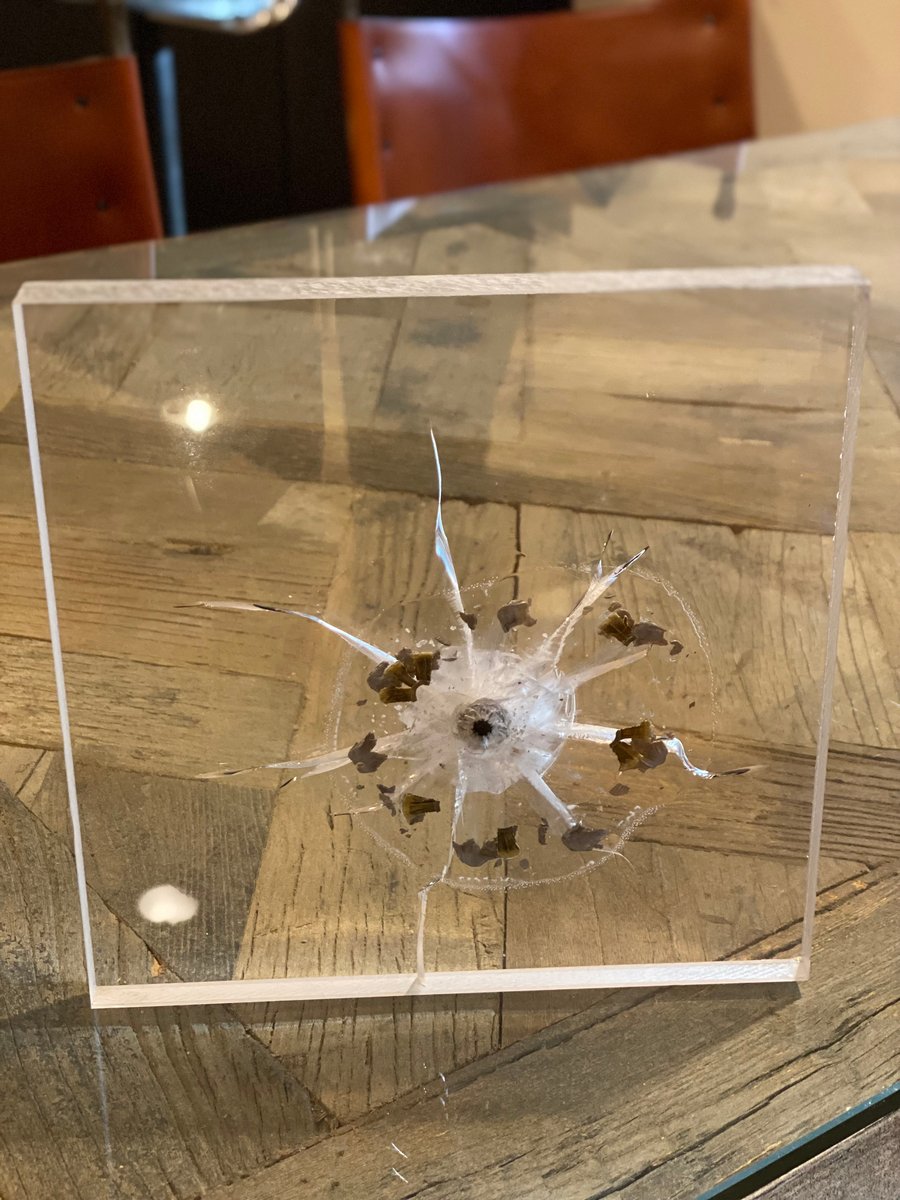
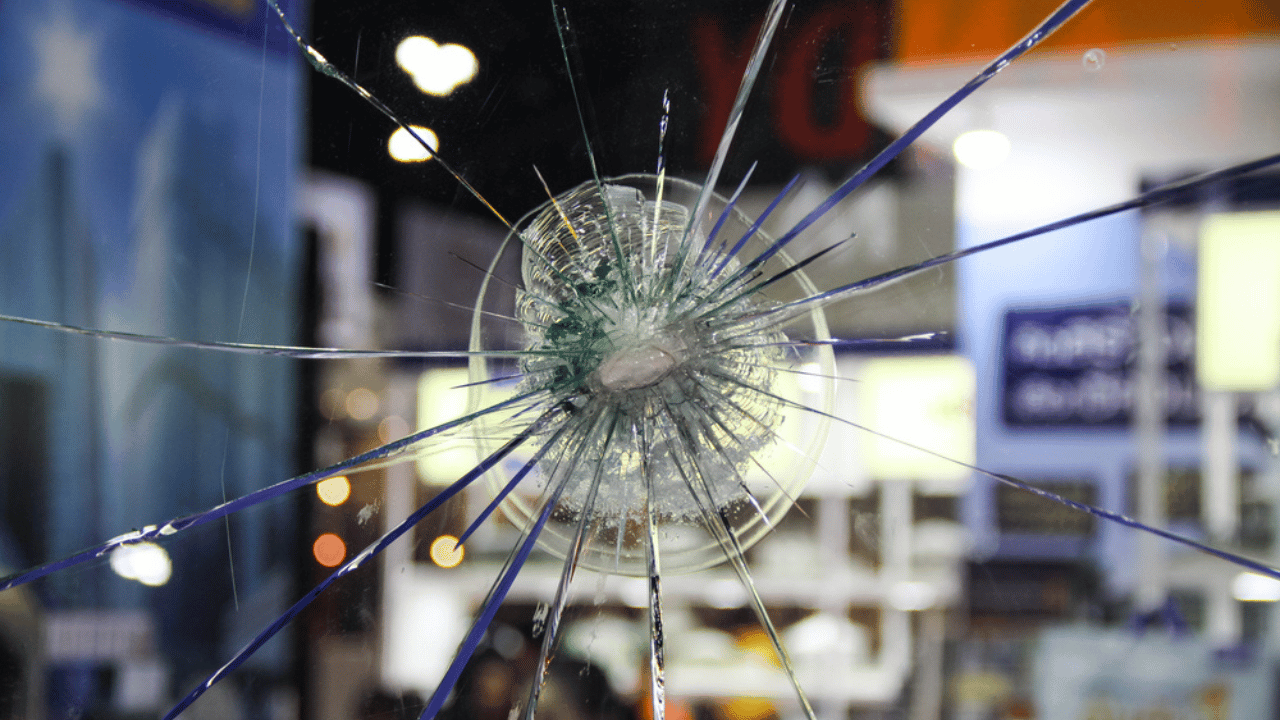
Ballistic glass, also called bullet-resistant or bulletproof glass, is a type of security glass made to withstand strong impacts from firearms and other dangerous objects. It’s constructed by layering materials like polycarbonate with glass to create a tough, clear surface that absorbs and spreads the force of bullets or hits, preventing breakage or penetration.
Three common types of bulletproof glass include Acrylic, Polycarbonate, and Glass-Clad Polycarbonate (GCP). You’ll often find ballistic glass in places that need extra protection, like banks, government buildings, schools, and other high-security locations.

Discover how mobility enhances Level 4 ballistic shields. Learn why rolling shields improve response, coverage, and tactical defense.

What's the difference between bulletproof glass and ballistic glass? Learn the protection advantages and limits today!

Bulletproof glass is rated by two companies: Underwriters Laboratory and The National Institute of Justice. Both have security levels for bullet-resistant systems.
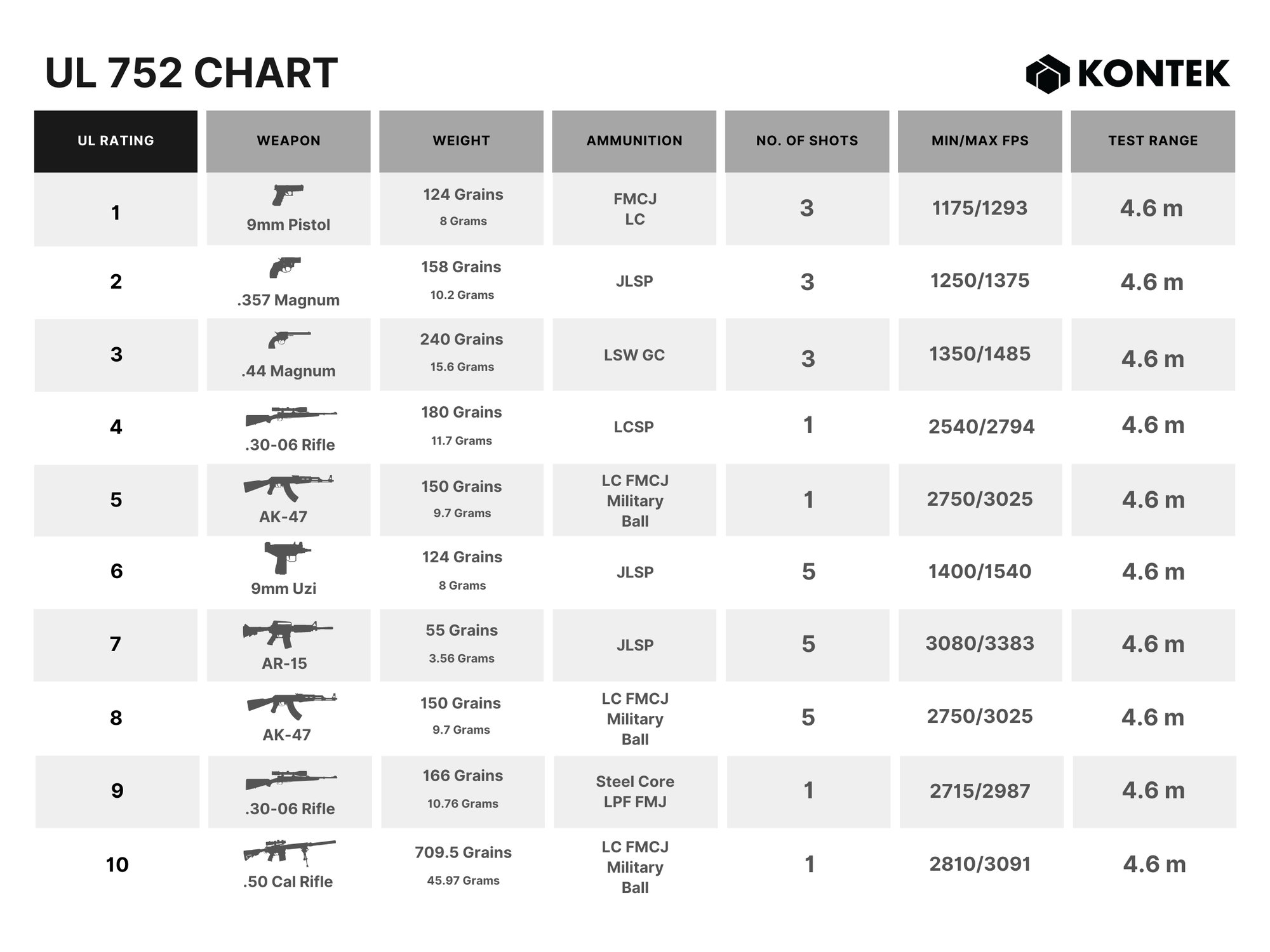
UL-752 is a widely recognized standard developed by Underwriters Laboratories (UL) that classifies and tests the ballistic resistance of transparent materials commonly used in security applications. The UL-752 standard consists of multiple levels, ranging from Level 1 to Level 10, with each level indicating a different degree of protection against various ballistic threats.
The testing process involves subjecting the materials to controlled firing of specific ammunition types at varying distances and angles, including handguns, rifles, and shotguns. The materials are evaluated based on their ability to withstand penetration, spall (fragmentation), and deformation.

The importance of these ratings cannot be overstated. When it comes to protection, the difference between an adequate rating and an insufficient one can mean the difference between life and death. At Kontek Industries, we are committed to providing our customers with the highest level of protection possible providing UL-752 standards up to .50 cal AP protection.
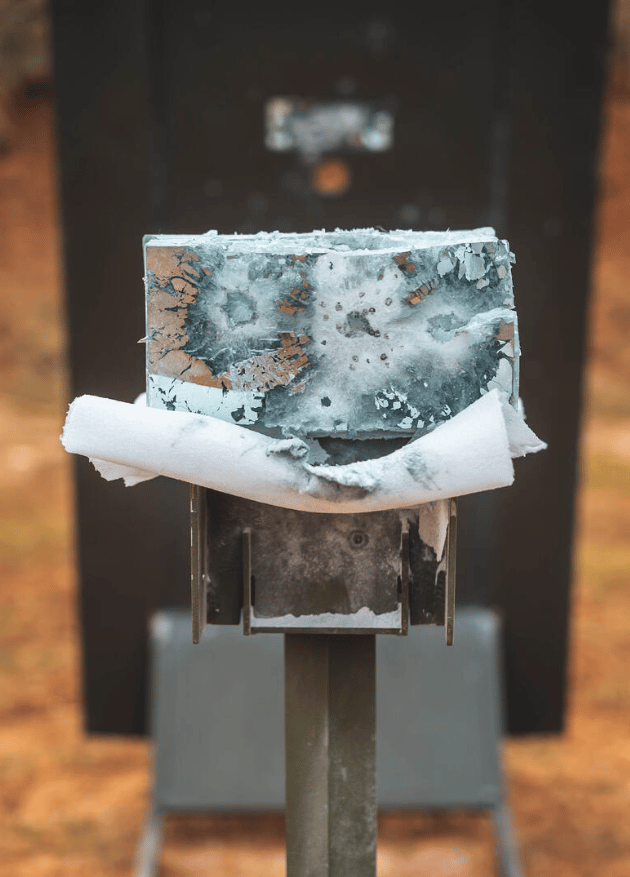
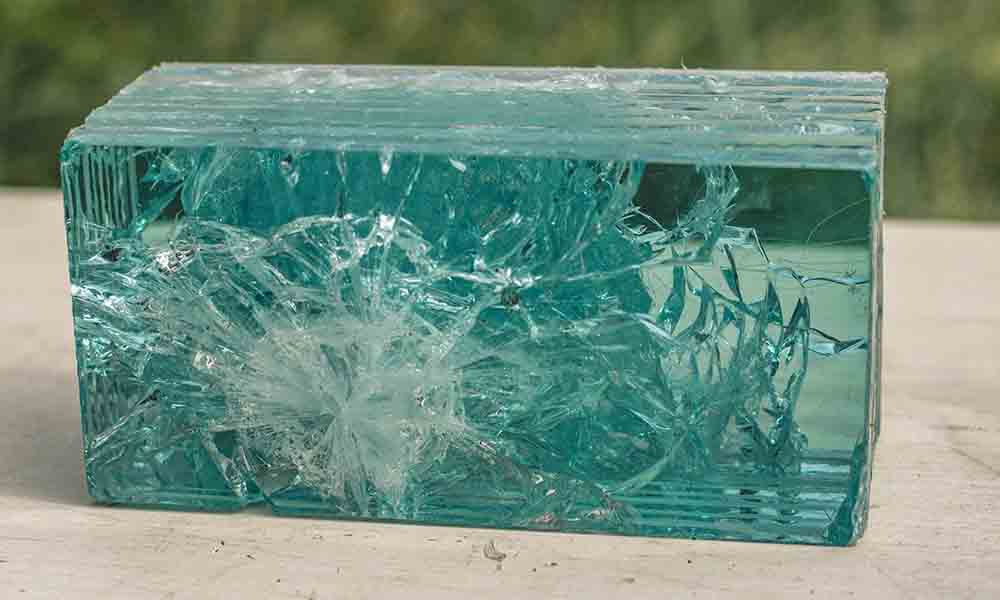
Ballistic glass is constructed from multiple layers of glass and high-strength polycarbonate materials bonded together to form a protective glazing assembly. The layered design allows the system to absorb, slow, and disperse the energy of a ballistic impact rather than shatter on contact.
The number of layers and overall thickness vary depending on the level of protection required and the expected threat environment.
Ballistic glass is designed to stop bullets, while security film is intended to delay forced entry. Security film may resist shattering but cannot provide bullet-resistant protection like laminated ballistic glass.
Ballistic glass can last 15–25+ years depending on the material type, environment, and maintenance. Glass-clad polycarbonate (GCP) systems typically offer the longest lifespan because they protect the inner polycarbonate layer from UV exposure and abrasion.
Yes. Many ballistic glass systems are designed for retrofit applications, allowing existing openings to be upgraded without full structural replacement, depending on framing conditions and protection requirements.
The thickness of ballistic glass depends on the required level of protection and the anticipated threat. Lower handgun-rated assemblies are typically thinner, while higher rifle-rated configurations require additional layered construction and increased overall thickness.
The appropriate protection level depends on the facility’s risk profile, location, and operational use. Factors such as expected threat type, public exposure, and structural conditions all influence system selection.
Kontek works with clients to evaluate these considerations and recommend a suitable configuration.
Whether you're planning a new installation or upgrading an existing facility, our team can help determine the appropriate ballistic protection level and system configuration for your project.
Contact Kontek Industries to discuss your requirements and receive detailed specifications tailored to your application.

Kontek Industries offers threat and vulnerability assessments for organizations looking to enhance their security and defense. We will work with you to develop the right solution for your ballistic and bulletproof glass needs. Please contact us with any questions by filling out the form or call us directly at (704) 273-5040.
We will send it to you via email.